

Gradient Eye Makeup Techniques That Flatter Every Eye Shape: Step-by-Step Looks for Beautiful Blended Eyes
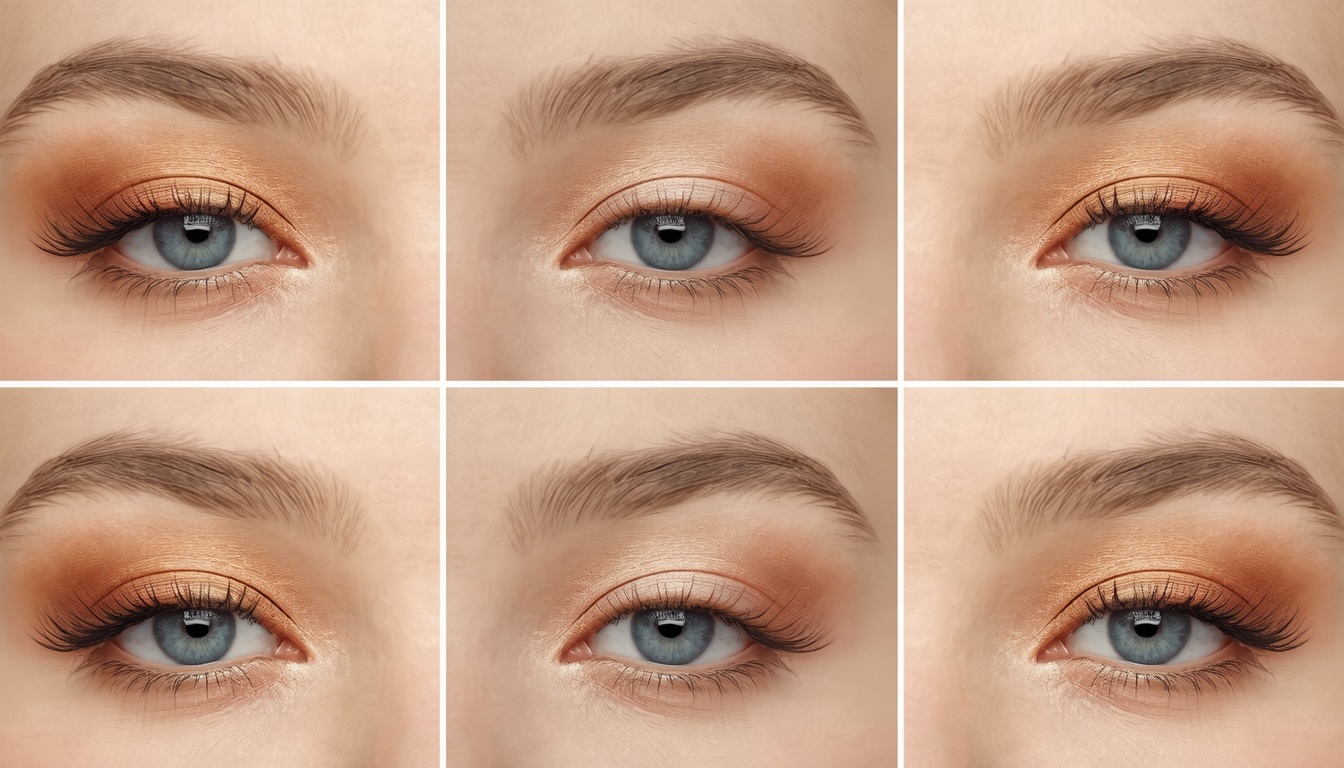
Gradient eye makeup is one of the most versatile and universally flattering techniques in modern beauty. Rather than relying on sharp color transitions, gradient makeup creates a smooth progression from lighter to deeper shades, giving the eyes more depth, dimension, and definition. Whether you have hooded, almond, round, monolid, deep-set, or downturned eyes, a well-executed gradient can enhance your natural features without requiring complicated professional skills.
The secret is not following one rigid formula but understanding how light, medium, and dark shades work together. By placing colors strategically and blending carefully, almost anyone can achieve a polished eye look suitable for everyday wear or special occasions.
Why Gradient Makeup Works So Well
Unlike heavy, high-contrast eye makeup, gradient techniques mimic natural shadows and highlights. This creates the illusion of larger, more sculpted eyes while maintaining a soft appearance.
Instead of drawing attention to the shape of the eyelid itself, gradients guide the viewer’s eye smoothly across the makeup. This makes the technique highly adaptable because the focus shifts from correcting eye shape to enhancing natural proportions.
Another advantage is flexibility. A gradient can be subtle enough for work or bold enough for evening events simply by adjusting the intensity of the colors.
Essential Tools for Smooth Blending
Beautiful gradients depend as much on technique as on the products used.
Useful tools include:
- A fluffy blending brush.
- A smaller detail brush.
- A flat shader brush.
- A clean blending brush for softening edges.
- An eyelid primer.
- Matte transition shades.
- Satin or shimmer shades for highlights.
Using clean brushes helps prevent muddy colors and creates smoother transitions between shades.
An eyelid primer is also helpful because it improves color payoff, extends wear time, and makes blending easier.
Choosing Colors That Blend Naturally
A successful gradient usually includes three or four coordinated shades.
A simple combination might include:
- A light base shade.
- A medium transition color.
- A deeper shade for definition.
- An optional shimmer for the center or inner corner.
Neutral palettes containing beige, taupe, brown, soft gray, or warm terracotta are excellent choices because they complement a wide variety of skin tones and occasions.
More colorful gradients using plum, olive, bronze, navy, or rose tones can also work beautifully while following the same blending principles.
Step-by-Step Technique 1: Classic Everyday Gradient
This timeless look suits nearly every eye shape.
Step 1
Apply an eyeshadow primer across the eyelid and slightly above the crease.
Step 2
Sweep a light matte shade over the entire lid to create an even base.
Step 3
Using a fluffy brush, apply a medium transition shade slightly above the natural crease with soft back-and-forth motions.
Step 4
Place a darker shade on the outer third of the eyelid, gradually blending inward rather than covering the entire lid.
Step 5
Blend the edges using a clean brush until no harsh lines remain.
Step 6
Finish with a light shimmer on the inner corner or the center of the eyelid to brighten the eyes.
This technique creates depth while maintaining a natural appearance suitable for daily wear.
Step-by-Step Technique 2: Vertical Gradient
A vertical gradient works particularly well for smaller eyelids and monolids.
Instead of blending from the lash line upward, colors transition horizontally across the eyelid.
- Apply the lightest shade to the inner third.
- Place a medium tone across the center.
- Blend the darkest color into the outer corner.
- Soften the borders where the colors meet.
This approach elongates the eyes and creates elegant dimension without relying heavily on the crease.
Step-by-Step Technique 3: Soft Halo Gradient
The halo eye creates brightness by placing the lightest shade in the center of the eyelid.
Begin by applying medium tones across the lid.
Darken both the inner and outer corners equally while leaving the center uncovered.
Apply shimmer or a lighter shade to the center.
Blend gently until all transitions appear seamless.
This technique creates the illusion of larger, rounder eyes and works beautifully for evening makeup.
Adapting the Technique for Different Eye Shapes
Although gradient makeup suits everyone, slight adjustments improve the final result.
Hooded Eyes
Blend transition shades slightly above the natural crease so they remain visible when the eyes are open.
Keep darker colors concentrated on the outer corner rather than covering the entire lid.
Almond Eyes
Almost every gradient placement works well on almond-shaped eyes.
Maintaining soft transitions while extending the outer corner slightly enhances the naturally balanced proportions.
Round Eyes
Focus darker shades on the outer third of the eye to create a slightly elongated appearance.
Avoid placing excessive shimmer across the full lid if the goal is subtle definition.
Monolids
Build gradual horizontal gradients rather than relying solely on crease definition.
Keeping the darkest shade close to the lash line often produces beautiful dimension.
Deep-Set Eyes
Use lighter shades across most of the lid while limiting very dark colors to the outer corner.
This prevents the eyes from appearing more recessed.
Blending Tips for Professional-Looking Results
Blending is often what separates beginner makeup from a polished finish.
Useful habits include:
- Build color gradually.
- Use light pressure.
- Blend after every new shade.
- Keep brushes clean.
- Avoid applying too much product at once.
- Use circular and windshield-wiper motions for transitions.
Patience usually produces better results than trying to achieve full intensity immediately.
Common Mistakes to Avoid
Even experienced makeup enthusiasts occasionally make blending errors.
Some of the most common include:
- Using colors that are too far apart without transition shades.
- Applying excessive pigment initially.
- Skipping eyelid primer.
- Using only one brush for every shade.
- Leaving harsh lines between colors.
- Applying shimmer over the entire lid without contrast.
Correcting these habits often improves makeup more than purchasing new products.
Finishing the Look
Gradient eye makeup becomes even more refined when paired with complementary finishing touches.
Soft eyeliner placed close to the lashes can enhance definition without overpowering the gradient.
Mascara opens the eyes and balances the blended shadows, while neatly groomed eyebrows help frame the entire look.
For evening occasions, subtle false lashes or individual lash clusters can add additional dimension without hiding the carefully blended colors.
Conclusion
Gradient eye makeup is one of the most adaptable techniques in beauty because it enhances rather than disguises natural eye shapes. By combining light, medium, and deep shades with careful blending, anyone can create elegant looks suitable for everyday wear or glamorous occasions.
Whether you choose a classic crease gradient, a vertical transition, or a soft halo effect, success comes from gradual layering and seamless blending rather than dramatic color contrasts. With practice, the technique becomes easier, allowing you to create flattering eye makeup that complements every eyelid shape and personal style. A beautifully blended gradient is timeless, versatile, and proof that the most sophisticated makeup often comes from mastering the basics.