

The Art of Repeating Outfits: How to Restyle the Same Clothes Without Looking Repetitive
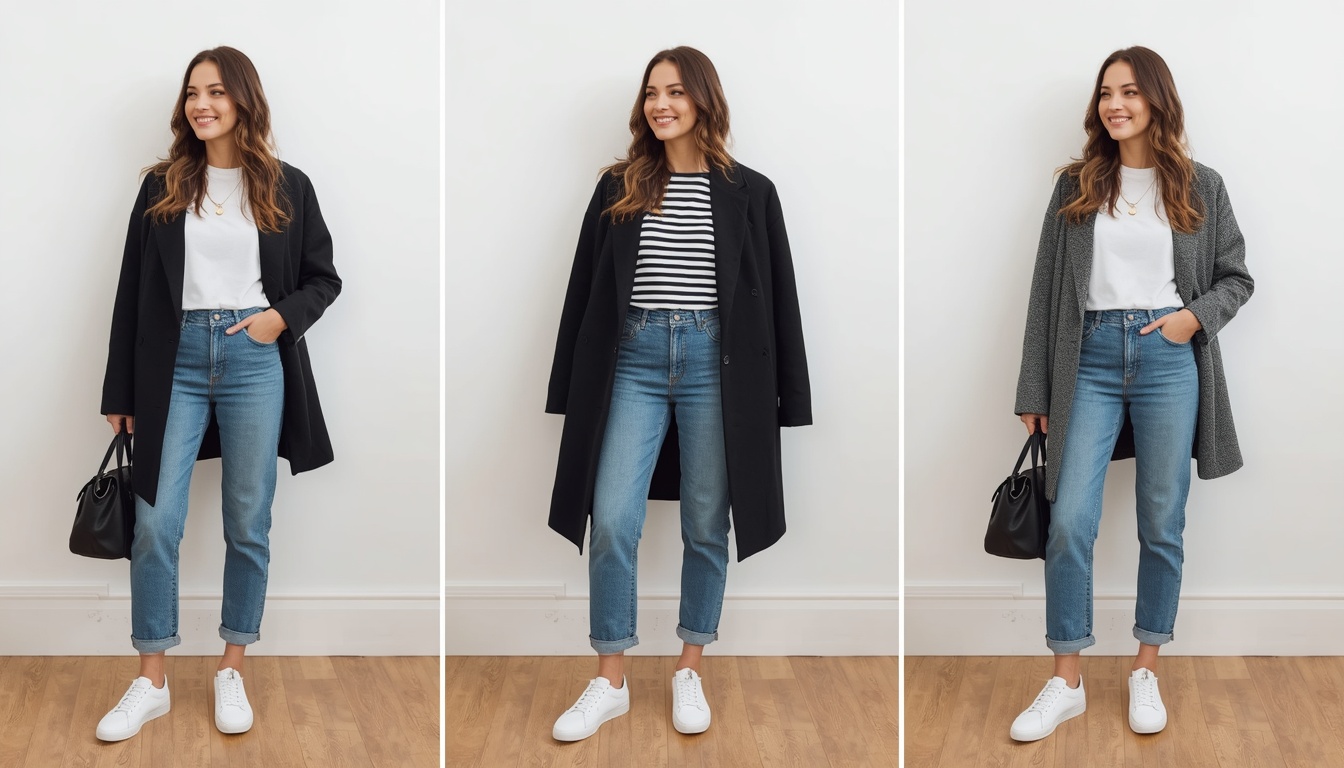
For many years, fashion was associated with constantly buying new clothing and keeping up with rapidly changing trends. Social media, seasonal collections, and fast fashion encouraged the idea that wearing the same outfit more than once was something to avoid. Today, however, attitudes are changing. More people are embracing outfit repetition—not as a compromise, but as a smart, stylish, and sustainable approach to dressing.
Fashion enthusiasts, stylists, and content creators increasingly demonstrate that personal style is not about owning hundreds of garments. Instead, it is about learning how to style familiar pieces in fresh and creative ways. Repeating outfits saves money, reduces waste, simplifies daily decisions, and encourages a more thoughtful relationship with clothing.
The secret is not wearing something new every day—it is making the same wardrobe feel new through styling.
Build Your Wardrobe Around Versatile Foundations
Every flexible wardrobe begins with reliable basics. Neutral trousers, classic denim, simple dresses, solid-color knitwear, crisp shirts, and well-fitted jackets create the foundation for dozens of different combinations.
The key is selecting pieces that work with multiple colors, textures, and accessories rather than purchasing highly specific items that can only be worn one way.
For example, a simple white button-down shirt can appear professional with tailored trousers, casual with relaxed jeans, sophisticated under a blazer, or effortless when tied over a summer dress. The garment remains the same, but the overall outfit changes completely.
Versatility often matters more than quantity.
Change the Silhouette Instead of the Clothing
Many people focus only on changing garments, but changing proportions can transform an outfit just as effectively.
Try tucking a sweater into high-waisted trousers instead of leaving it loose. Roll up sleeves for a relaxed appearance. Add a belt to define the waist. Wear a blazer open one day and buttoned the next. Layer a long coat over a dress or wear the same dress beneath an oversized cardigan.
Small adjustments affect the visual balance of an outfit and create a noticeably different impression without requiring additional clothing.
Understanding silhouette is one of the most valuable styling skills anyone can develop.
Accessories Make the Biggest Difference
Accessories have the power to completely shift the mood of an outfit.
The same black dress can become elegant with pearl earrings and classic pumps, modern with chunky boots and a leather jacket, relaxed with white sneakers, or vacation-ready with woven sandals and a straw bag.
Consider rotating:
- Scarves
- Belts
- Jewelry
- Handbags
- Shoes
- Sunglasses
- Hats
- Hair accessories
Even changing the color or texture of accessories can dramatically alter the overall appearance.
Because accessories occupy less wardrobe space than clothing, they provide an efficient way to create variety without excessive shopping.
Experiment With Layering
Layering introduces depth, texture, and personality.
A sleeveless dress can become suitable for cooler weather when paired with a turtleneck underneath. A lightweight knit can be worn over a collared shirt. A blazer instantly gives structure to a casual outfit, while a denim jacket creates a relaxed weekend look.
Seasonal layering also increases the usefulness of clothing throughout the year. Instead of storing favorite pieces for months, thoughtful combinations allow them to transition between seasons.
Mixing different fabric textures—such as cotton, denim, linen, leather, wool, or knitwear—creates visual interest even when the color palette remains simple.
Let Color Tell a Different Story
Color combinations strongly influence how an outfit is perceived.
Imagine wearing the same navy trousers several times during a month. Pairing them with a white shirt creates a timeless appearance. A camel sweater introduces warmth, while a striped top gives the outfit a casual nautical feel. A bright green blouse creates energy, and an all-navy combination delivers understated elegance.
Repeating one garment no longer feels repetitive because each color pairing communicates a different mood.
Building a wardrobe around complementary colors makes mixing pieces much easier.
Dress for Different Occasions With the Same Pieces
Many garments are more adaptable than people realize.
A slip skirt, for example, may appear suitable only for evenings, yet it can also be styled for everyday wear.
For work:
Pair it with a structured blazer and loafers.
For weekends:
Wear it with a simple T-shirt and white sneakers.
For dinner:
Add a silk blouse, heels, and statement earrings.
The clothing remains nearly identical, but thoughtful styling changes the purpose of the entire outfit.
Looking at clothing through multiple contexts encourages creativity and extends the value of every purchase.
Avoid Buying Complete Outfits
One reason wardrobes become difficult to reuse is purchasing clothing as complete sets instead of individual building blocks.
Instead of asking, “Does this look good exactly like the mannequin?”
Consider asking:
- Can I wear this with at least five existing items?
- Does it suit different seasons?
- Can I dress it up or down?
- Does it match my personal style rather than a temporary trend?
These questions help create a wardrobe where nearly every piece works with many others.
The result is greater outfit variety without increasing the number of garments.
Confidence Is Part of Personal Style
Many people hesitate to repeat outfits because they worry others will notice.
In reality, most people pay far less attention to someone else’s clothing than we imagine. Those who do notice often appreciate consistency and a recognizable personal style.
Well-known public figures, designers, entrepreneurs, and fashion editors frequently repeat favorite garments because they value quality, comfort, and practicality.
Style is rarely defined by constant novelty. It is more often recognized through confidence, thoughtful combinations, and clothing that reflects personality.
Repeating outfits should never feel like a limitation—it can become a signature.
Organize Your Wardrobe to Inspire Creativity
Sometimes clothing feels repetitive simply because favorite pieces remain hidden.
Keeping wardrobes organized allows overlooked garments to become visible again.
Try grouping clothing by category or color. Photograph successful outfits for future inspiration. Rotate seasonal pieces to the front when weather changes.
Some people also challenge themselves to create ten or fifteen different outfits using a single jacket, pair of trousers, or dress. Exercises like these reveal styling possibilities that might otherwise remain unnoticed.
The more familiar you become with your wardrobe, the more combinations you discover.
Conclusion
Repeating outfits is no longer something to avoid—it has become a reflection of thoughtful fashion, personal confidence, and sustainable living. Instead of constantly searching for something new, modern style encourages making the most of what already exists.
By changing silhouettes, experimenting with layers, rotating accessories, mixing colors, and styling garments for different occasions, the same clothing can produce an impressive variety of looks. A carefully chosen wardrobe does not need to be large to feel exciting.
True style is not measured by how many clothes fill a closet, but by how creatively and confidently they are worn. The ability to reinvent familiar pieces is one of the most valuable fashion skills anyone can develop, proving that originality comes from styling, not simply from buying something new.