

AR Makeup and the Future of Beauty Sampling: How Augmented Reality Is Transforming Cosmetic Shopping
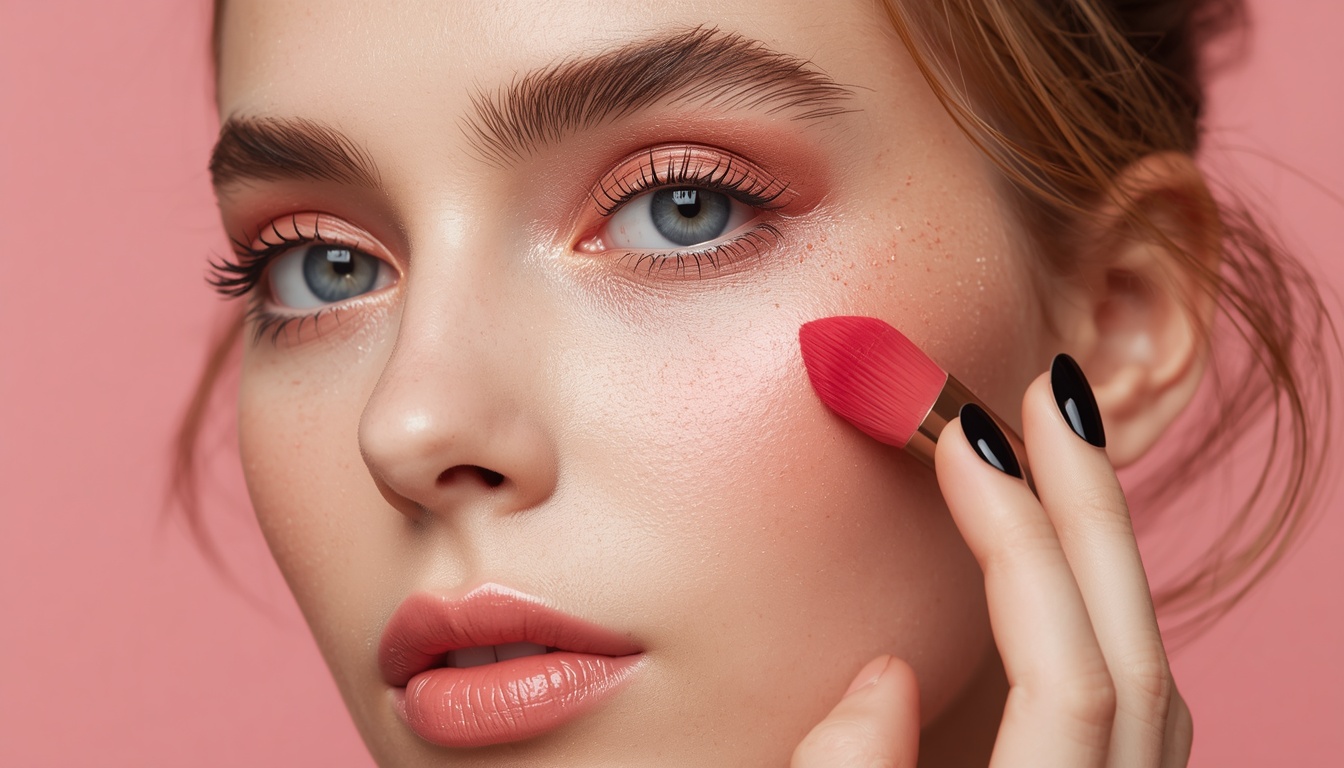
The beauty industry has always relied heavily on visual experience. Consumers want to know how a lipstick shade will look on their skin, whether a foundation matches their tone, or how a new hairstyle might change their appearance before making a purchase. Traditionally, this process depended on physical testers and in-store consultations. Today, however, augmented reality is redefining the entire beauty shopping experience.
AR makeup technology allows users to virtually try products in real time using smartphones, tablets, or smart mirrors. Combined with artificial intelligence, this innovation is changing how consumers discover, test, and purchase cosmetics. What once seemed futuristic has quickly become one of the most influential developments in modern beauty retail.
What Is AR Makeup?
Augmented reality makeup uses digital overlays to simulate cosmetic products on a person’s face through a camera feed. Advanced facial tracking technology maps facial features and movements with high precision, allowing virtual products to respond naturally in real time.
Users can experiment with lipstick shades, eyeshadow palettes, blush placement, contouring, and even hair colors without physically applying anything. Unlike static photo filters from earlier years, modern AR systems are highly detailed and adaptive, adjusting to lighting conditions, facial structure, and skin tone.
The experience feels increasingly realistic, making virtual beauty testing both practical and engaging.
The Decline of Traditional Testers
For decades, physical makeup testers were a standard part of beauty shopping. Customers visited stores, applied products directly to their skin, and compared shades in mirrors under bright lighting. However, this system came with several limitations.
Hygiene concerns became more significant over time, especially after global health awareness increased. Shared testers in stores raised questions about cleanliness and safety. In addition, many consumers found the in-store experience stressful or time-consuming.
AR beauty tools solve many of these issues by allowing users to experiment from home. Consumers can explore dozens of shades instantly without touching a single product. This convenience has fundamentally changed expectations within the beauty market.
The Role of Artificial Intelligence in Beauty
Artificial intelligence plays a major role in making AR beauty experiences more accurate and personalized. AI systems analyze facial features, skin undertones, texture, and even environmental lighting to recommend suitable products.
Some platforms can identify concerns such as dryness, redness, or uneven tone and suggest targeted skincare or cosmetic solutions. Others use machine learning to study user preferences and create customized recommendations based on previous interactions.
This level of personalization makes shopping feel less generic and more tailored to the individual. Consumers no longer simply browse products—they interact with intelligent systems designed to understand their appearance and preferences.
Virtual Beauty Consultations
The rise of AR makeup has also transformed beauty consultations. Instead of relying entirely on in-store experts, users can receive virtual guidance through apps and online platforms.
Digital beauty assistants powered by AI can demonstrate makeup techniques, recommend combinations, and guide users step by step through application methods. Some systems even simulate how makeup will appear in different lighting conditions, such as daylight or evening environments.
This shift allows consumers to experiment more freely and confidently without feeling pressured by sales environments.
Social Media and the Influence of Digital Beauty
AR beauty technology has become deeply connected to social media culture. Filters and virtual makeup effects have normalized digital experimentation with appearance, especially among younger consumers.
Beauty brands increasingly launch products alongside interactive AR experiences, allowing users to test new collections instantly through their phones. This creates a stronger emotional connection between brands and audiences while turning beauty shopping into a form of entertainment.
At the same time, this trend raises questions about authenticity and self-image. The line between digital enhancement and reality continues to blur, influencing how people perceive beauty standards.
Sustainability and Reduced Waste
Another important advantage of virtual beauty sampling is sustainability. Traditional testers generate significant waste through disposable applicators, packaging, and unsold products. AR systems reduce the need for physical samples, helping brands minimize waste and lower production costs.
Consumers also make more informed purchases when they can preview products accurately. This reduces the likelihood of buying unsuitable shades that may later be discarded unused.
As environmental awareness grows, virtual sampling aligns with the increasing demand for more sustainable retail practices.
Challenges and Limitations
Despite its advantages, AR makeup technology still faces limitations. Digital renderings may not always perfectly match real-life textures, finishes, or pigmentation. Screen quality and lighting conditions can affect how products appear virtually.
There are also concerns about privacy, as many systems collect facial data and user behavior information. Ensuring secure handling of this data will remain essential as these technologies expand.
Additionally, while AR can simulate appearance, it cannot fully replace the tactile experience of physically feeling a product’s texture or formula.
The Future of AI Beauty Shopping
The future of AR beauty is likely to become even more immersive. Smart mirrors, wearable devices, and advanced AI assistants may soon create seamless beauty experiences integrated into daily life. Consumers could receive personalized beauty recommendations instantly while shopping, attending events, or creating digital content.
As technology evolves, the beauty industry may shift further away from traditional retail models toward highly personalized, interactive, and data-driven experiences.
Conclusion
AR makeup and AI-powered beauty tools are transforming cosmetic shopping from a physical process into a digital, personalized experience. Virtual sampling offers convenience, hygiene, customization, and sustainability while redefining how consumers interact with beauty products. Although challenges remain, augmented reality has already moved beyond novelty and become a major force shaping the future of the beauty industry.