

The Psychology of Monochrome Dressing: How One-Color Outfits Create Effortless Style and Confidence
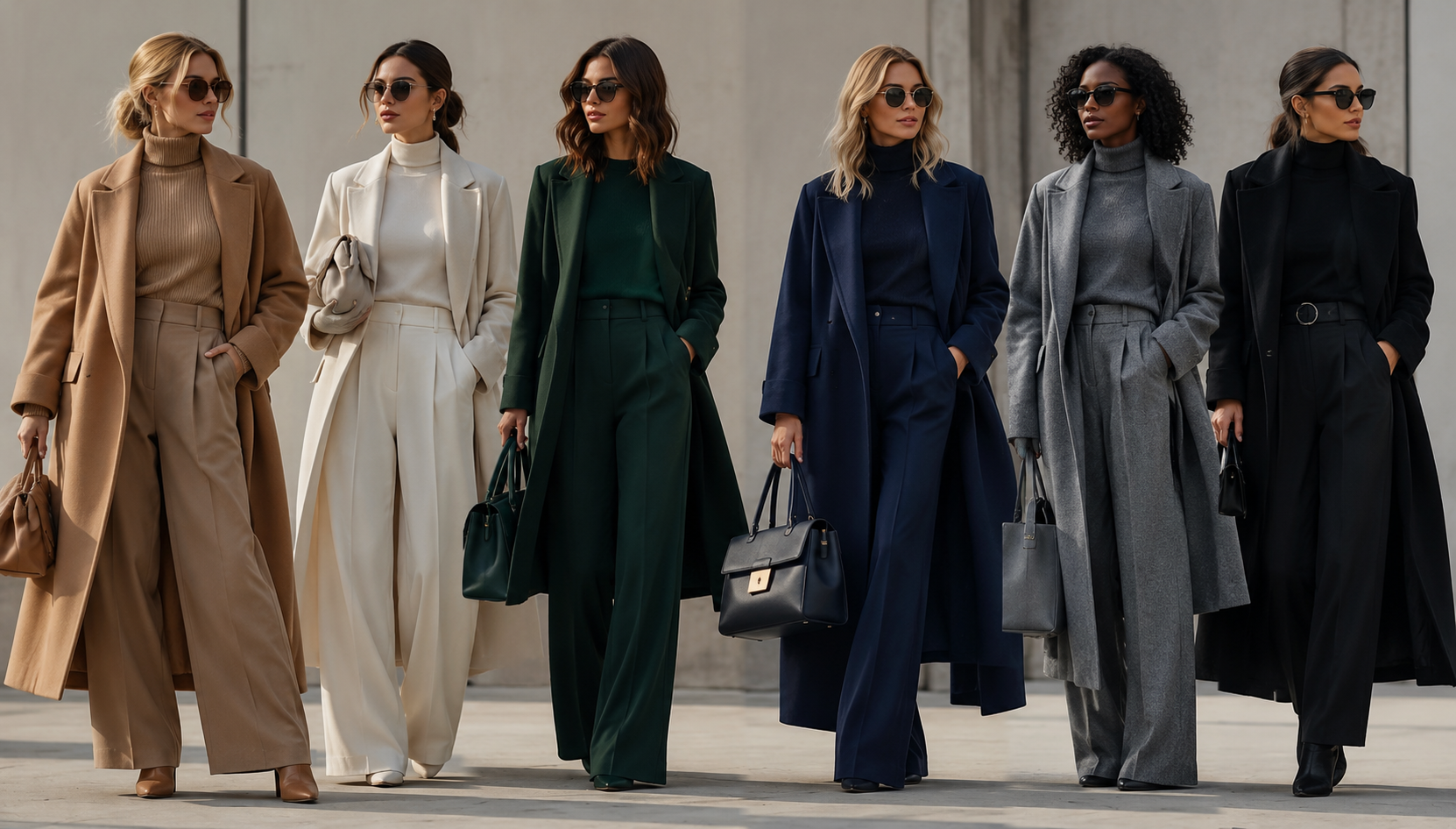
Fashion trends come and go, but some styling approaches remain timeless because they rely on principles that extend beyond seasonal changes. One of the most enduring and surprisingly powerful outfit strategies is monochrome dressing. Often associated with sophistication, confidence, and modern elegance, monochrome outfits involve wearing different shades, tones, and textures within a single color family. While the concept may seem simple at first glance, the visual and psychological impact of monochrome styling makes it one of the most effective tools for creating polished looks with minimal effort.
In recent years, monochrome dressing has gained popularity among fashion enthusiasts, professionals, and celebrities alike. Its appeal lies not only in its aesthetic simplicity but also in its ability to communicate confidence, intentionality, and personal style. Understanding how monochrome outfits work can help anyone build a more versatile wardrobe and develop a stronger fashion identity.
Why Monochrome Outfits Look So Refined
The human eye naturally seeks visual harmony. When an outfit is composed of a consistent color palette, the eye moves smoothly across the entire look without interruption. This creates a sense of balance and cohesion that often appears more sophisticated than highly contrasting combinations.
Unlike outfits that rely on multiple bold colors competing for attention, monochrome dressing allows the silhouette, tailoring, and texture of garments to become the primary focus. The result is often a cleaner and more elegant appearance.
Fashion designers frequently use monochrome styling in runway collections because it creates a strong visual statement while allowing individual pieces to complement one another naturally. The same principle can be applied to everyday wardrobes, regardless of personal style preferences.
The Confidence Factor
One reason monochrome outfits remain popular is the confidence they project. People often associate coordinated dressing with attention to detail and self-assurance. A monochromatic look appears intentional, even when it requires less effort than assembling a complex multi-color outfit.
Psychologists have long studied the relationship between clothing and self-perception. What individuals wear can influence how they feel about themselves and how others perceive them. Monochrome dressing simplifies decision-making while creating a polished appearance, which can contribute to a greater sense of confidence throughout the day.
Many professionals gravitate toward monochrome outfits because they project competence and authority. At the same time, casual monochrome looks can feel relaxed, modern, and approachable, demonstrating the versatility of this styling approach.
Choosing the Right Color Family
The beauty of monochrome dressing lies in its flexibility. Virtually any color can serve as the foundation for a monochromatic wardrobe.
Neutral tones such as black, white, beige, gray, and navy remain popular because they are versatile and easy to style. Black monochrome outfits often convey elegance and sophistication, while beige and cream tones create a softer, more luxurious appearance.
Earthy colors such as olive green, camel, chocolate brown, and rust have also become increasingly popular. These shades provide warmth and depth while maintaining the cohesive qualities that define monochrome styling.
For those who enjoy making a stronger statement, monochrome outfits built around bold colors such as red, cobalt blue, emerald green, or burgundy can create a striking visual effect without appearing chaotic.
The key is not necessarily wearing identical shades from head to toe. Instead, successful monochrome outfits often incorporate variations within the same color family, creating depth and visual interest.
The Importance of Texture
One common misconception about monochrome dressing is that it may appear flat or repetitive. In reality, texture plays a crucial role in preventing this effect.
When working with a limited color palette, different materials become essential design elements. Combining knitwear with leather, silk with wool, denim with cotton, or satin with structured fabrics creates contrast without disrupting the overall harmony of the outfit.
For example, an all-beige ensemble becomes far more dynamic when it includes a chunky knit sweater, tailored trousers, suede footwear, and a structured handbag. Although the color palette remains consistent, the variation in texture creates richness and sophistication.
This approach allows monochrome outfits to feel visually engaging while maintaining their signature elegance.
Building a Monochrome Wardrobe
One reason many people adopt monochrome styling is its practicality. Building a wardrobe around coordinated color families makes outfit planning significantly easier.
When garments share a similar palette, they naturally work together. This increases the number of possible outfit combinations while reducing the likelihood of mismatched pieces sitting unused in the closet.
A monochrome-focused wardrobe also encourages more thoughtful purchasing decisions. Instead of buying items solely because they are trendy, individuals often select pieces that integrate seamlessly into their existing collection.
Over time, this can result in a more cohesive personal style and a wardrobe that feels both functional and fashionable.
Seasonal Adaptations
Monochrome dressing works exceptionally well throughout the year. During spring and summer, lighter shades such as white, cream, pale blue, or soft pastel tones create fresh and airy looks. These colors reflect natural light and contribute to a sense of effortless elegance.
In autumn and winter, deeper shades such as charcoal, chocolate brown, burgundy, forest green, and navy become particularly effective. Layering garments within these color families adds warmth while maintaining visual consistency.
Seasonal changes also create opportunities to experiment with texture. Lightweight linens and cottons dominate warmer months, while wool, cashmere, leather, and velvet become more prominent during colder seasons.
Accessories in Monochrome Styling
Accessories play a unique role in monochrome dressing. They can either reinforce the color palette or provide carefully controlled contrast.
Some fashion enthusiasts prefer matching accessories to the primary color family of the outfit, creating a seamless and highly polished appearance. Others introduce subtle contrast through metallic jewelry, neutral footwear, or statement handbags.
The advantage of monochrome styling is that accessories often have a greater visual impact because they stand out against the unified backdrop of the outfit. Even small details become more noticeable and intentional.
The Future of Minimalist Fashion
As consumers increasingly seek versatile, sustainable wardrobes, monochrome dressing aligns naturally with modern fashion priorities. It promotes thoughtful purchasing, reduces reliance on constantly changing trends, and encourages creativity through styling rather than consumption.
The growing popularity of capsule wardrobes and minimalist fashion has further strengthened interest in monochromatic outfits. People are discovering that fewer colors do not necessarily mean fewer possibilities. In many cases, limiting the palette actually enhances creativity and personal expression.
Conclusion
Monochrome dressing is far more than a temporary fashion trend. It is a styling philosophy rooted in visual harmony, confidence, and versatility. By focusing on a single color family and using texture, layering, and tonal variation to create depth, individuals can achieve sophisticated outfits with remarkable ease. Whether built around classic neutrals or bold statement colors, monochrome looks offer a timeless approach to fashion that combines elegance, practicality, and personal style in equal measure.