

The Rise of Functional Fashion: When Style Meets Everyday Performance
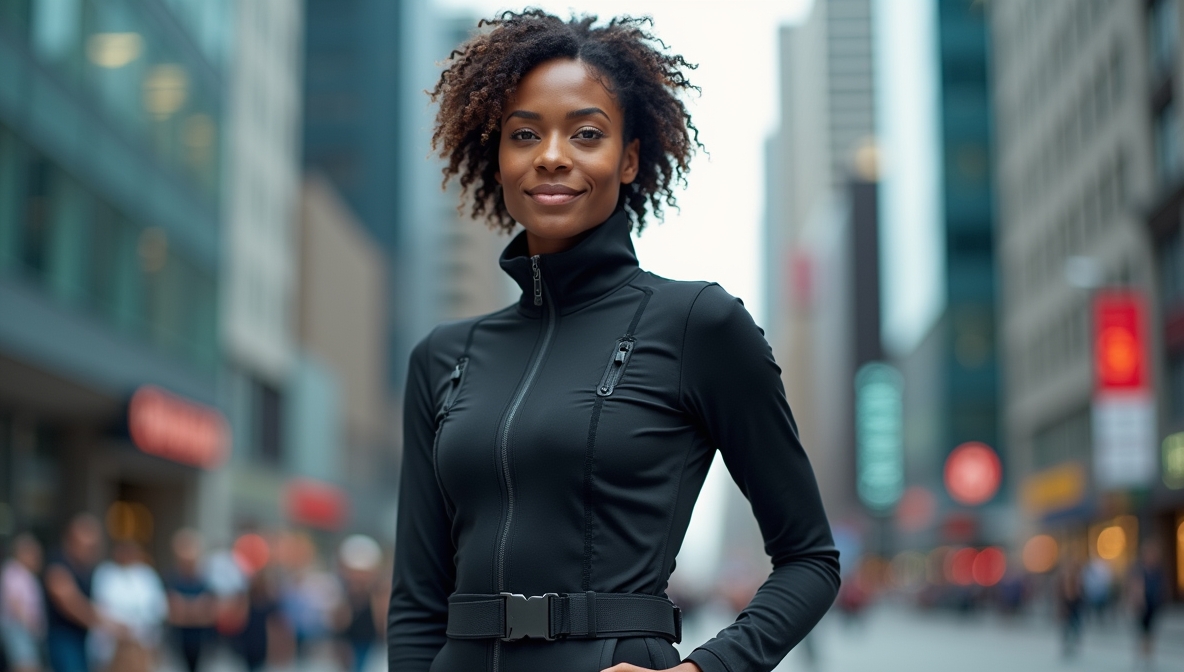
For many years, fashion and practicality were often viewed as opposites. Stylish clothing was sometimes uncomfortable, while highly functional garments were frequently criticized for lacking aesthetic appeal. Today, however, a new movement is reshaping the industry. Functional fashion is becoming one of the most influential trends in modern style, blending performance, comfort, versatility, and visual appeal into a single concept.
Consumers are increasingly seeking clothing that not only looks good but also adapts to their daily lives. As work environments, lifestyles, and travel habits continue to evolve, fashion is responding by prioritizing utility alongside design. This shift is transforming how people build wardrobes and how brands approach innovation.
What Is Functional Fashion?
Functional fashion refers to clothing and accessories designed to serve practical purposes beyond appearance. These garments often incorporate features that enhance comfort, mobility, durability, weather protection, or convenience while maintaining a fashionable aesthetic.
Examples include wrinkle-resistant fabrics, water-repellent jackets, temperature-regulating materials, hidden storage pockets, convertible garments, and lightweight travel-friendly designs. The goal is to create pieces that perform effectively in real-world situations without sacrificing style.
Unlike traditional performance wear that focuses primarily on athletic activities, functional fashion integrates practicality into everyday wardrobes.
Why Consumers Are Prioritizing Function
Several cultural and lifestyle shifts have contributed to the growing popularity of functional fashion. Modern consumers lead increasingly dynamic lives that require clothing capable of transitioning between multiple environments.
A person may work remotely in the morning, attend meetings in the afternoon, exercise in the evening, and travel on weekends. Maintaining separate wardrobes for every activity is often impractical and expensive. As a result, versatile clothing has become more attractive.
Comfort has also gained importance. After years of changing workplace norms and lifestyle habits, many consumers have become less willing to tolerate restrictive clothing purely for appearance. Fashion is evolving to accommodate these expectations.
The Influence of Urban Living
Urban environments have played a major role in driving functional fashion trends. City residents frequently walk long distances, use public transportation, and navigate unpredictable weather conditions throughout the day.
This reality has increased demand for clothing that offers flexibility and durability. Comfortable footwear, lightweight outerwear, and multifunctional accessories have become essential elements of contemporary city style.
Designers are increasingly considering how garments perform during everyday movement rather than focusing exclusively on visual presentation.
Innovation in Fabric Technology
One of the most significant developments behind functional fashion is the advancement of textile technology. Modern fabrics are capable of performing tasks that were previously impossible or limited to specialized gear.
Moisture-wicking materials help regulate body temperature during warm weather. Stretch fabrics improve mobility while maintaining structure. Antimicrobial treatments reduce odor buildup, and advanced insulation technologies provide warmth without excessive bulk.
Some textiles can even adapt to environmental conditions, becoming more breathable or insulating depending on temperature changes. These innovations allow fashion designers to combine technical performance with sophisticated aesthetics.
The Popularity of Convertible Clothing
Versatility has become a defining feature of functional fashion. Convertible garments are designed to adapt to different situations, reducing the need for multiple items.
A jacket may transform into a vest, trousers may convert into shorts, or bags may function as both backpacks and handbags. These designs appeal particularly to travelers, commuters, and minimalist consumers who value efficiency.
The ability to use a single item in multiple ways supports both practicality and sustainability by encouraging more thoughtful consumption.
Sustainability and Functional Design
Functional fashion also aligns closely with the growing sustainability movement. Consumers increasingly prefer fewer, higher-quality garments that serve multiple purposes rather than large collections of rarely worn items.
Durable clothing tends to remain in use longer, reducing waste and the frequency of replacement purchases. Multifunctional pieces further contribute to sustainability by decreasing overall wardrobe volume.
Many brands are now combining eco-friendly materials with functional features, creating products that address both environmental concerns and practical needs.
The Evolution of Workwear
Workwear has undergone significant transformation in recent years. Traditional office attire often prioritized formality over comfort, but changing workplace expectations have encouraged more adaptable clothing choices.
Modern professionals increasingly seek garments that look polished while remaining comfortable throughout long days. Stretch fabrics, wrinkle resistance, breathable materials, and practical tailoring have become important considerations.
The distinction between professional wear and casual clothing continues to blur, creating opportunities for innovative functional designs.
Accessories With Purpose
Functional fashion extends beyond clothing. Accessories are becoming smarter and more versatile as well.
Bags now feature dedicated compartments for technology, water-resistant materials, and modular designs. Footwear combines fashion-forward aesthetics with advanced cushioning and support systems. Outerwear includes hidden pockets, adjustable components, and weather-resistant features.
Consumers increasingly evaluate accessories based on both appearance and utility, reflecting broader changes in purchasing behavior.
Challenges for Designers
Creating truly functional fashion is not without challenges. Designers must balance practicality with visual appeal while avoiding overly technical aesthetics that may alienate mainstream consumers.
There is also the challenge of maintaining durability without compromising comfort or style. Successful functional fashion requires thoughtful design that seamlessly integrates performance features into attractive garments.
The most effective designs often make functionality feel natural rather than obvious.
The Future of Functional Fashion
As technology continues to evolve, functional fashion is likely to become even more sophisticated. Smart textiles, wearable technology, and adaptive materials may further blur the line between clothing and innovation.
Future garments could monitor environmental conditions, adjust insulation automatically, or interact with personal devices. While these advancements are still developing, they reflect the growing demand for fashion that actively supports daily life.
At the same time, consumers are expected to continue valuing versatility, sustainability, and comfort, ensuring that functional fashion remains relevant far beyond temporary trend cycles.
Conclusion
Functional fashion represents a significant shift in how people think about style. No longer satisfied with clothing that serves only a visual purpose, modern consumers increasingly seek garments that enhance comfort, adaptability, and performance in everyday life. Through innovative fabrics, versatile designs, and a focus on practical needs, functional fashion is redefining the relationship between appearance and utility. As lifestyles continue to evolve, the fusion of style and function is likely to become one of the defining characteristics of contemporary fashion.