

Makeup and Lighting: How Light Transforms the Perception of Color and Skin Texture – Professional Insights
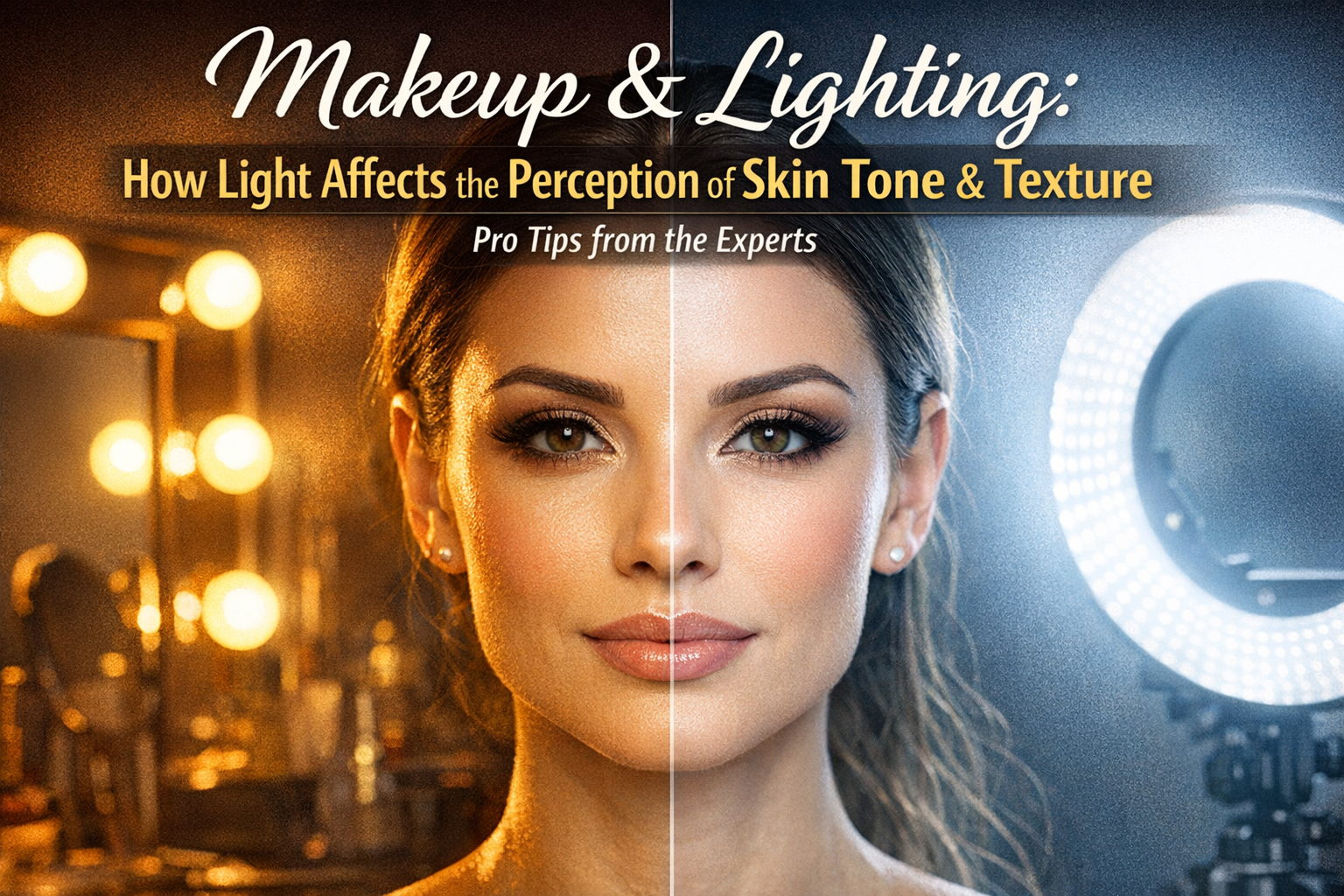
Makeup is often perceived as a static element, something applied carefully in front of a mirror and expected to look the same throughout the day. In reality, makeup is highly dynamic, and its appearance is deeply influenced by lighting conditions. The same foundation, blush, or highlighter can look dramatically different under natural daylight, warm indoor lighting, or harsh artificial sources. Understanding how light interacts with skin and cosmetic products is essential for achieving a consistent and flattering look.
Light affects not only color perception but also the visibility of skin texture. Shadows, highlights, and reflections all play a role in how smooth or uneven the skin appears. This is why a flawless look at home may suddenly reveal imperfections when stepping outside or entering a brightly lit environment.
Types of Lighting and Their Effects
Natural daylight is considered the most neutral and revealing type of light. It provides a balanced spectrum that shows true colors without strong distortions. Makeup applied in daylight tends to look more accurate, making it the preferred choice for professional artists. However, even daylight changes throughout the day, becoming warmer during sunrise and sunset, which can subtly alter tones.
Warm indoor lighting, often found in homes and restaurants, adds a yellow or orange tint to the skin. This type of light softens imperfections and creates a cozy glow, but it can also make foundation appear more yellow than intended. As a result, makeup that looks perfect in warm light may appear mismatched in cooler environments.
Cool lighting, such as fluorescent or LED lights with a blue undertone, tends to emphasize texture and imperfections. It can make the skin look paler and highlight fine lines or uneven areas. This is why makeup applied under such lighting often requires additional blending and careful color selection.
How Light Changes Color Perception
Color perception is not fixed; it depends heavily on the temperature and intensity of light. A lipstick that appears vibrant red in one setting may look deeper or even slightly brown in another. Similarly, contour and bronzer shades can become too harsh or too subtle depending on lighting conditions.
Professional makeup artists often test makeup under multiple light sources to ensure consistency. This practice helps prevent unexpected shifts in color that could affect the overall look. Choosing neutral tones and well-balanced shades can also minimize drastic changes across different environments.
The Role of Skin Texture and Reflection
Light interacts with the skin’s surface, reflecting differently depending on texture and finish. Matte products absorb light, reducing shine and minimizing the appearance of pores and fine lines. On the other hand, dewy or luminous products reflect light, creating a glowing effect but potentially emphasizing uneven texture.
Strategic placement of highlights and shadows can enhance facial features, but improper use may lead to exaggerated shine or unwanted emphasis on certain areas. For example, highlighter applied on textured skin can draw attention to bumps rather than creating a smooth glow.
Professional Techniques for Adapting Makeup to Lighting
Experienced makeup artists adapt their techniques based on the expected lighting environment. For daytime looks, they prioritize natural finishes and subtle enhancements that look good under sunlight. For evening events, where artificial lighting dominates, they may intensify colors and contours to ensure visibility.
Blending is one of the most critical skills in makeup application. Harsh lines become more noticeable under strong lighting, so seamless transitions between products are essential. Layering products gradually also helps maintain control over intensity and prevents over-application.
Another important technique is testing makeup in different lighting conditions before finalizing the look. Simply stepping near a window or checking under various light sources can reveal inconsistencies that need adjustment.
Achieving a Balanced Look in Any Environment
The key to successful makeup lies in balance. Using products that complement the skin tone, applying them with precision, and considering lighting conditions all contribute to a harmonious appearance. While it is impossible to control every lighting scenario, understanding how light affects makeup allows for better preparation and adaptability.
Ultimately, makeup should enhance natural features rather than compete with changing light conditions. By paying attention to how colors shift and how textures respond to light, it becomes possible to create looks that remain flattering and consistent throughout the day.