

Intimate Weddings Redefined: Creating Meaningful Celebrations Beyond Tradition
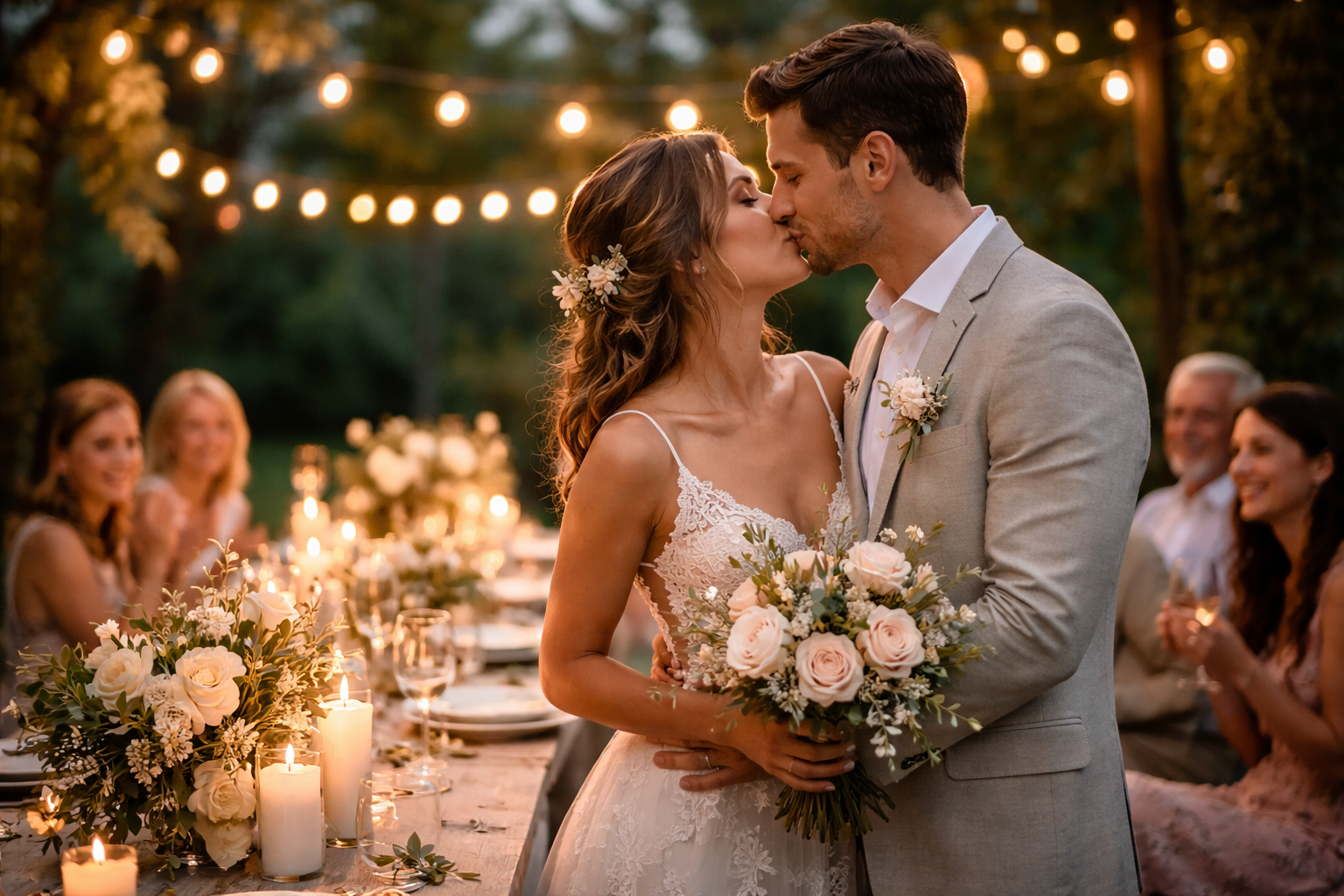
Weddings have long been associated with grandeur, large guest lists, and carefully staged traditions. In recent years, however, a noticeable shift has taken place. More couples are choosing intimate weddings that focus on meaning, connection, and authenticity rather than scale. This evolution is not about compromise or limitation, but about redefining what a wedding truly represents in a modern context.
An intimate wedding is often defined by intention rather than numbers. Smaller celebrations allow couples to be fully present, engaging deeply with their partner and guests instead of managing a crowded schedule. When the guest list is limited to close family and friends, every interaction carries more weight. Conversations become personal, emotions feel less rushed, and the day unfolds with a sense of calm that is difficult to achieve in larger events.
This approach also reshapes how wedding planning is experienced. Instead of coordinating numerous vendors and complex logistics, couples can focus on details that reflect their shared values. Venues become more flexible, opening possibilities such as private homes, natural landscapes, boutique hotels, or meaningful destinations. These settings often create a stronger emotional atmosphere than traditional banquet halls, offering a sense of place that feels personal and intentional.
Design choices in intimate weddings tend to prioritize quality over quantity. Florals, décor, and table settings are selected with care, often using fewer elements with greater impact. Materials, textures, and lighting play a significant role in shaping the mood. Candlelight dinners, handcrafted details, and thoughtful layouts encourage warmth and closeness, reinforcing the feeling of togetherness throughout the celebration.
Fashion also takes on a new dimension in smaller weddings. Without the pressure of spectacle, couples often choose attire that reflects their personality and comfort. Wedding dresses may feature softer silhouettes, subtle details, or unconventional fabrics, while suits and alternative outfits embrace individuality. The result is a look that feels authentic rather than performative, aligning seamlessly with the tone of the day.
One of the most meaningful aspects of intimate weddings is the flexibility they offer in ceremony structure. Couples feel freer to write personal vows, include cultural or spiritual elements, and create rituals that resonate with their story. Without the constraints of a large audience, moments become more sincere and emotionally grounded. Silence, laughter, and vulnerability are given space to exist naturally.
Financial considerations also influence this growing preference. Smaller weddings often allow couples to allocate their budget toward experiences rather than excess. Gourmet meals, extended celebrations, travel opportunities, or future investments can take priority over sheer scale. This shift reflects a broader cultural movement toward mindful spending and long-term fulfillment rather than one-day extravagance.
Guests, too, experience intimate weddings differently. Being part of a smaller group fosters a sense of belonging and importance. Guests are not passive observers but active participants in the celebration. Shared meals, conversations, and moments create memories that feel collective rather than fragmented, strengthening bonds that extend beyond the wedding day.
Ultimately, intimate weddings represent a return to the heart of marriage. They emphasize commitment over display, connection over convention, and meaning over expectation. By redefining tradition on their own terms, couples create celebrations that reflect who they are and what they value most. In doing so, they prove that a wedding’s impact is not measured by its size, but by the depth of emotion it leaves behind.