

The Power of Short Workouts: Why Mini Movement Can Be More Effective Than Long Gym Sessions
For decades, the idea of an effective workout was closely tied to spending long hours in the gym. Many people believed that unless they exercised for at least an hour, the effort was not worthwhile. This mindset has discouraged countless individuals from maintaining regular physical activity because busy schedules, family responsibilities, and demanding careers often leave little room for lengthy exercise sessions.
Recent research in exercise science, however, has challenged this traditional belief. Experts now recognize that short, consistent periods of movement—often called “mini workouts” or “exercise snacks”—can produce meaningful improvements in physical health, mental well-being, and overall fitness. Instead of relying on occasional long training sessions, many people are discovering that brief bursts of activity spread throughout the day may be easier to maintain and surprisingly effective.
The goal is no longer simply exercising longer. Instead, it is moving more often and creating habits that fit naturally into everyday life.
What Is Mini Movement?
Mini movement refers to short periods of intentional physical activity that typically last anywhere from two to fifteen minutes. These sessions may include bodyweight exercises, brisk walking, stair climbing, stretching, mobility work, light resistance training, or brief cardiovascular intervals.
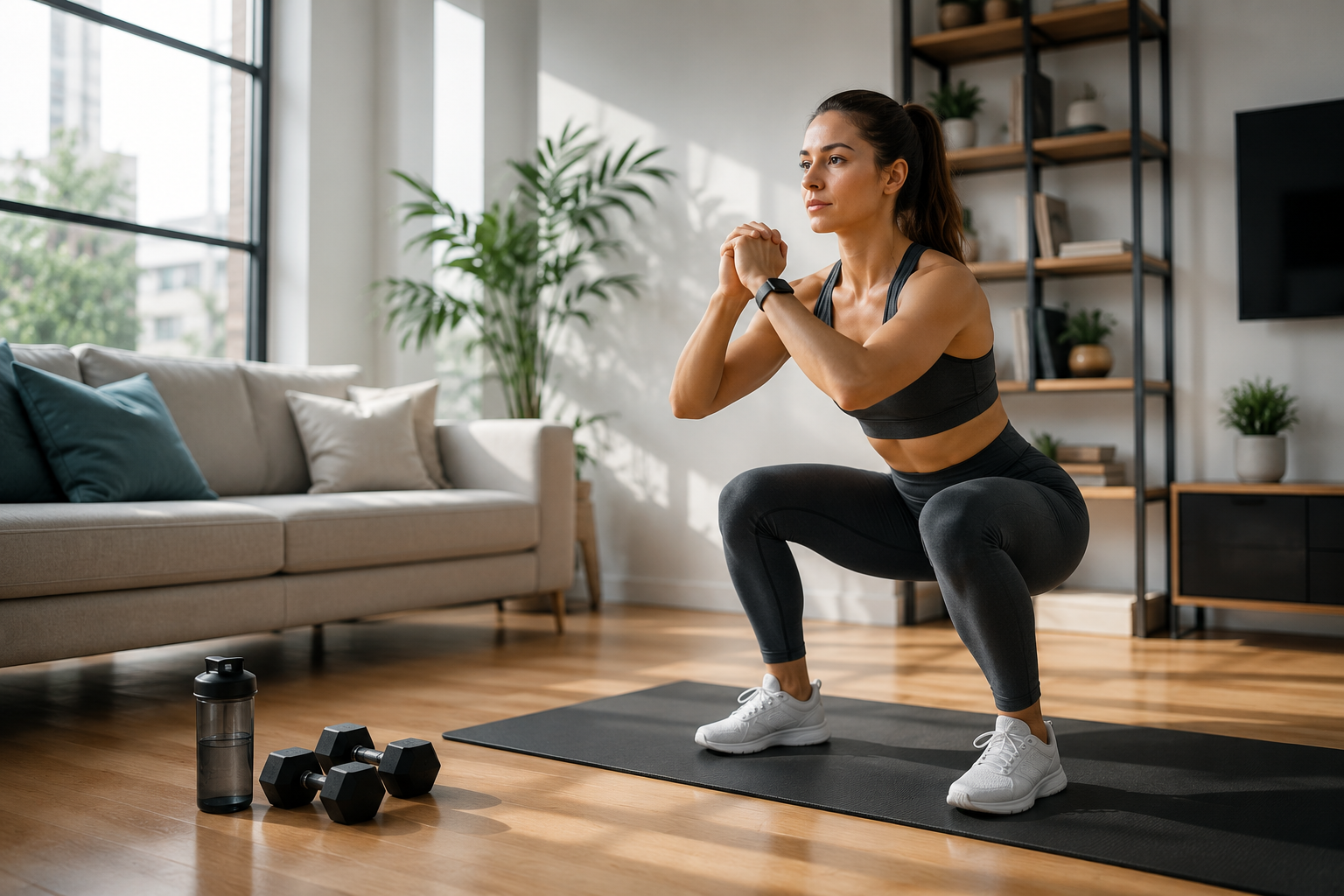
Unlike traditional gym routines that require changing clothes, traveling to a fitness center, and dedicating a significant portion of the day to exercise, mini workouts can be completed almost anywhere. A few minutes between work meetings, a quick strength circuit before breakfast, or a short walk after lunch all contribute to daily movement.
Although each session may appear too small to make a difference, their cumulative effect can be substantial when performed consistently.
Why Consistency Matters More Than Duration
One of the greatest advantages of short workouts is that they encourage consistency. Many people skip exercise entirely because they cannot find an uninterrupted hour in their schedule. In contrast, almost everyone can identify several opportunities throughout the day to move for five or ten minutes.
From a physiological perspective, regular movement keeps muscles active, improves blood circulation, and prevents long periods of inactivity. Frequent activity also helps maintain joint mobility and reduces the stiffness that often develops after prolonged sitting.
Consistency strengthens habits as well. When exercise becomes a natural part of everyday routines rather than a major scheduled event, it requires less motivation and mental effort. Over time, these small actions become automatic behaviors that are easier to sustain for months and years.
The Metabolic Benefits of Frequent Activity
Long periods of sitting have become increasingly common in modern lifestyles. Office work, commuting, and screen time often result in hours of uninterrupted inactivity, even for individuals who exercise several times each week.
Short movement breaks interrupt these sedentary periods and stimulate important metabolic processes. Brief walks, bodyweight squats, or climbing a few flights of stairs activate large muscle groups that improve glucose regulation and increase energy expenditure.
Research suggests that frequent movement throughout the day may contribute to healthier blood sugar levels and improved insulin sensitivity. While a single long workout certainly provides health benefits, remaining inactive for the rest of the day may reduce some of those positive effects.
Mini movement encourages the body to stay engaged from morning until evening rather than concentrating all physical activity into one isolated session.
Building Strength in Small Sessions
Many people assume that meaningful strength gains require lengthy gym workouts with complex equipment. While structured resistance training remains highly effective, significant improvements in muscular endurance and functional strength can also develop through short, focused sessions.
Simple exercises such as push-ups, squats, lunges, planks, step-ups, and resistance band movements can be performed in less than ten minutes while engaging multiple muscle groups simultaneously.
Repeating these exercises several times throughout the week creates enough training stimulus for beginners and moderately active individuals to improve strength, coordination, and muscular endurance. As fitness increases, additional repetitions, resistance, or exercise variations can gradually increase the challenge without dramatically extending workout duration.
Cardiovascular Health Without Long Cardio Sessions
Cardiovascular fitness does not always require prolonged running or cycling sessions. Brief periods of higher-intensity activity can elevate heart rate sufficiently to improve aerobic capacity when performed regularly.
Fast walking, climbing stairs, jumping rope, cycling, or performing dynamic bodyweight exercises for just a few minutes can stimulate the cardiovascular system while fitting conveniently into busy schedules.
These short bursts of activity often feel more manageable than committing to a continuous hour of endurance exercise, particularly for beginners or individuals returning to fitness after extended inactivity.
Because the psychological barrier is lower, people are often more willing to begin—and continue—a routine built around shorter sessions.
Mental Benefits of Mini Workouts
Exercise supports mental health as much as physical health. Even brief movement sessions stimulate the release of endorphins and other neurotransmitters associated with improved mood, reduced stress, and enhanced concentration.
Many people notice increased productivity after taking short movement breaks during workdays. A five-minute walk or mobility routine can refresh attention, reduce mental fatigue, and improve creative thinking more effectively than remaining seated for hours.
Mini workouts also provide achievable daily accomplishments. Completing several short sessions builds confidence and reinforces healthy behaviors without creating feelings of failure when time is limited.
Rather than viewing exercise as another demanding obligation, people begin to associate movement with increased energy and emotional well-being.
Why Long Gym Sessions Are Not Always Better
Extended workouts certainly have their place, particularly for athletes, competitive training, or specialized fitness goals. However, longer sessions are not automatically superior for everyone.
Lengthy workouts often require careful scheduling, travel time, recovery periods, and significant motivation. Missing one or two planned sessions can create the feeling that an entire fitness routine has failed.
Long training sessions may also increase fatigue, making it harder to remain physically active during the remainder of the day. Some individuals unknowingly compensate for intense workouts by becoming more sedentary afterward.
Mini movement avoids many of these challenges by distributing physical activity across multiple opportunities. Instead of exhausting the body in a single session, frequent movement encourages sustainable activity levels throughout the entire day.
Making Mini Movement Part of Everyday Life
One reason short workouts succeed is their flexibility. They can easily become integrated into existing routines without requiring major lifestyle changes.
Morning stretches before breakfast, bodyweight exercises during coffee breaks, walking while making phone calls, taking stairs instead of elevators, or performing a few mobility exercises before bedtime all contribute to daily movement.
Technology can also provide gentle reminders to stand, stretch, or walk periodically throughout the day. These small prompts help reduce prolonged sitting while reinforcing consistent habits.
The key is not perfection but repetition. Every few minutes of intentional movement accumulate over weeks, months, and years into meaningful improvements in health and fitness.
Conclusion
The belief that effective exercise must involve long hours in the gym is gradually giving way to a more practical and sustainable understanding of physical activity. Short workouts demonstrate that consistency, frequency, and habit formation often matter more than duration alone.
Mini movement keeps the body active, supports cardiovascular and metabolic health, builds strength, improves mood, and fits naturally into even the busiest schedules. While traditional gym sessions remain valuable for many fitness goals, they are no longer the only path to better health.
For countless people, the most effective workout is not necessarily the longest one. It is the one that can be performed regularly, enjoyed consistently, and maintained for years. By embracing small but frequent opportunities to move, individuals can transform exercise from an occasional event into a natural and lasting part of everyday life.