

Layering Secrets: How to Build Effortless Transitional Outfits for Any Season
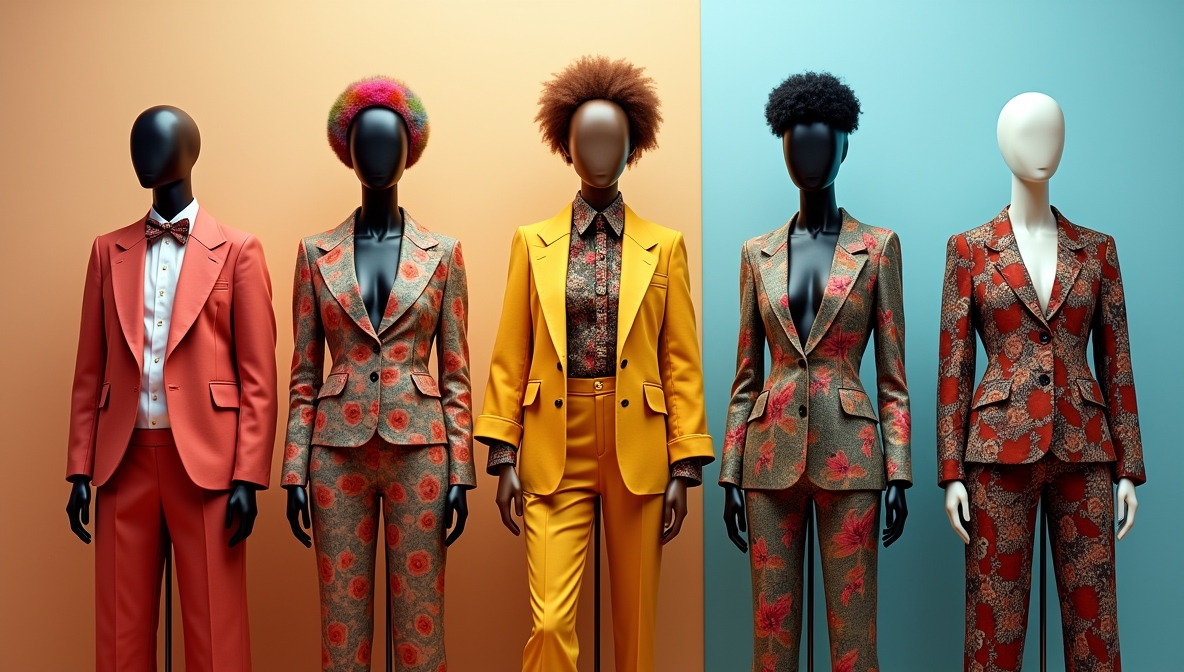
Dressing for transitional weather is one of the most underestimated challenges in fashion. When temperatures fluctuate between warm afternoons and chilly mornings, creating an outfit that feels both comfortable and stylish requires thoughtful layering. Instead of relying on heavy seasonal pieces, modern wardrobes are shifting toward versatile combinations that adapt throughout the day.
Transitional outfits are not just about practicality; they are an opportunity to experiment with textures, proportions, and personal style. By mastering layering techniques, anyone can create looks that feel intentional rather than improvised.
Building a Strong Foundation
Every successful outfit begins with a solid base. Lightweight fabrics such as cotton, linen, or soft knits provide comfort while allowing flexibility for additional layers. A well-fitted top or a simple dress acts as the core element that anchors the entire look.
Neutral tones often work best for base layers, as they make it easier to add or remove pieces without disrupting the overall harmony of the outfit. However, subtle patterns or textures can add depth without overwhelming the look.
The key is to choose items that feel comfortable on their own but also function seamlessly when combined with outer layers.
The Role of Mid-Layers
Mid-layers are where creativity begins to take shape. This category includes items such as cardigans, light sweaters, button-down shirts, or thin jackets. These pieces provide warmth while also contributing to the visual structure of the outfit.
Playing with contrast is essential at this stage. Combining different materials—such as soft knits with structured fabrics—creates a balanced and dynamic appearance. Length variation also adds interest, for example pairing a longer shirt under a shorter jacket.
Mid-layers should be easy to remove and carry, as they are often the first adjustment made when temperatures change.
Outerwear as a Statement
Outerwear is often the most visible part of a transitional outfit, making it a key element of personal expression. Lightweight coats, trench jackets, and oversized blazers are popular choices because they provide warmth without feeling bulky.
Color can play a significant role here. While the base layers may remain neutral, outerwear offers an opportunity to introduce bold tones or unique textures. This creates a focal point that elevates even the simplest combination underneath.
Functionality should not be overlooked. Pockets, breathable materials, and comfortable fits ensure that the outer layer is as practical as it is stylish.
Balancing Proportions and Silhouettes
One of the most important aspects of layering is maintaining balance. Adding multiple pieces can easily lead to a bulky or unstructured look if proportions are not considered.
Fitted base layers combined with slightly looser outer pieces create a clean silhouette. Alternatively, pairing oversized items with more structured elements can achieve a similar effect. The goal is to avoid overwhelming the body shape while still allowing freedom of movement.
Attention to detail, such as rolling sleeves or partially tucking layers, can refine the overall appearance and add a sense of effortlessness.
Footwear and Accessories as Finishing Touches
Footwear plays a crucial role in tying the outfit together. Transitional seasons call for versatile options such as ankle boots, sneakers, or loafers that can adapt to changing conditions.
Accessories provide both style and function. Scarves, hats, and lightweight bags can enhance the outfit while also serving practical purposes. For example, a scarf can add warmth in the morning and be easily removed later in the day.
Layering accessories should follow the same principle as clothing: balance. Too many elements can feel overwhelming, while carefully chosen pieces create a cohesive look.
Adapting to Changing Conditions
The true strength of transitional outfits lies in their adaptability. Being able to adjust layers throughout the day ensures comfort without sacrificing style. This flexibility is especially valuable for busy schedules that involve both indoor and outdoor environments.
Planning ahead is essential. Checking the weather and anticipating temperature changes allows for smarter outfit choices. Selecting pieces that are easy to carry or tie around the waist adds convenience without compromising the overall aesthetic.
A Modern Approach to Everyday Style
Layering is no longer just a practical solution—it has become a defining element of contemporary fashion. It encourages creativity, versatility, and a deeper understanding of how clothing interacts with the body and environment.
By focusing on balance, texture, and adaptability, transitional outfits can feel both effortless and refined. Instead of struggling with unpredictable weather, it becomes an opportunity to showcase personal style in a way that is both functional and visually engaging.
Mastering this approach transforms everyday dressing into a dynamic and enjoyable process, where each layer contributes to a look that evolves throughout the day.