

The Rise of Slow Fashion: Why Quality and Sustainability Are Redefining Modern Style
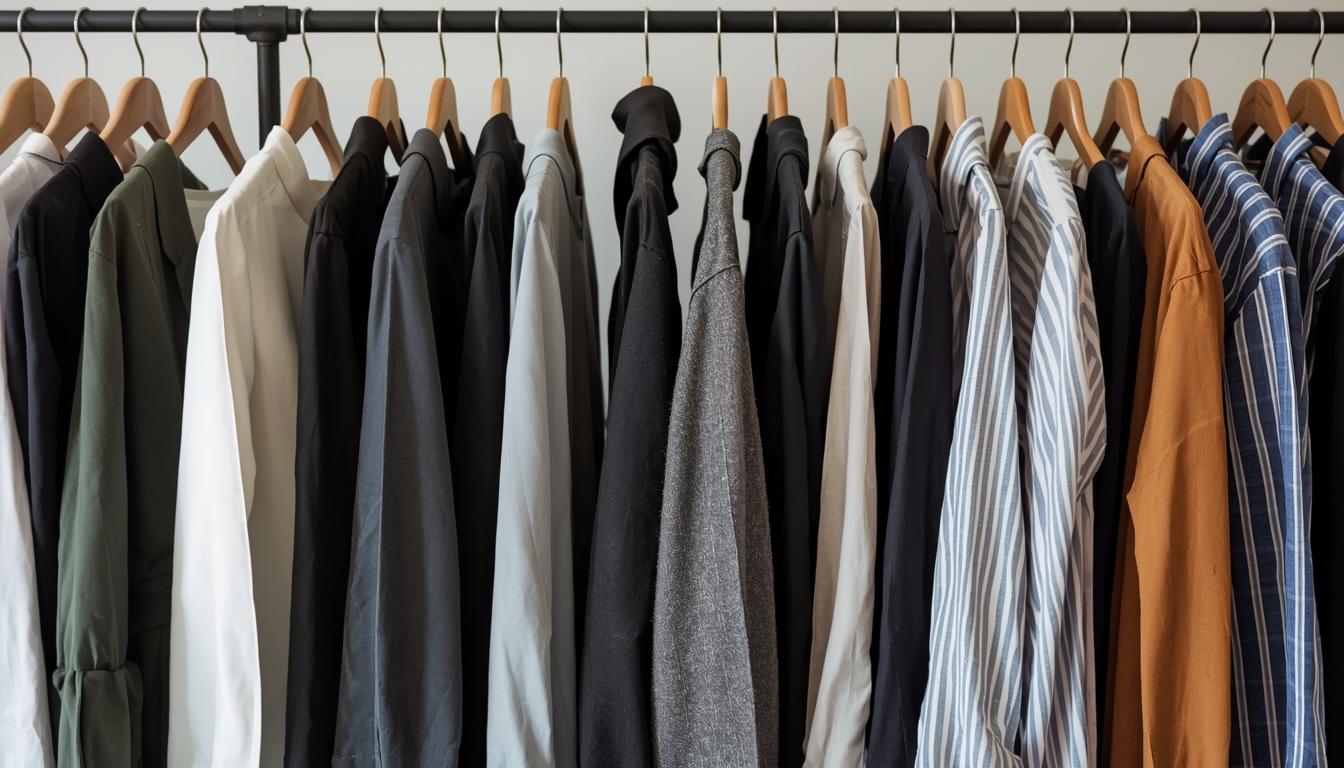
In an era dominated by fast-changing trends and instant gratification, the fashion industry is undergoing a significant transformation. Consumers are beginning to shift away from fast fashion and embrace a more thoughtful, intentional approach known as slow fashion. This movement focuses on quality, sustainability, and ethical production, redefining how people perceive style and consumption. As awareness grows around environmental and social issues, slow fashion is no longer a niche concept but a powerful force shaping the future of the industry.
Understanding the Concept of Slow Fashion
Slow fashion is built on the idea of mindful consumption. Instead of purchasing large quantities of inexpensive, trend-driven clothing, consumers are encouraged to invest in fewer, higher-quality pieces that are designed to last. This approach values craftsmanship, durability, and timeless design over short-lived trends.
At its core, slow fashion promotes transparency. It encourages consumers to consider where their clothes come from, how they are made, and the impact they have on both people and the planet. This shift in mindset transforms clothing from disposable items into meaningful investments.
The Environmental Impact of Fast Fashion
The rise of slow fashion is largely a response to the environmental consequences of fast fashion. Mass production, synthetic materials, and rapid turnover cycles contribute to significant waste and pollution. Many garments are worn only a few times before being discarded, ending up in landfills or contributing to textile waste.
In contrast, slow fashion emphasizes sustainable materials such as organic cotton, linen, and recycled fabrics. These materials are often produced using methods that reduce water consumption, chemical use, and carbon emissions. By choosing quality over quantity, consumers can significantly reduce their environmental footprint.
Craftsmanship and Quality Over Quantity
One of the defining characteristics of slow fashion is its focus on craftsmanship. Garments are often made with greater attention to detail, resulting in higher durability and better fit. This not only extends the lifespan of clothing but also enhances the overall wearing experience.
Timeless design plays a crucial role in this approach. Instead of following fleeting trends, slow fashion pieces are created to remain stylish over time. Neutral colors, classic silhouettes, and versatile designs allow for easy mixing and matching, making it possible to build a cohesive wardrobe with fewer items.
Ethical Production and Transparency
Another key aspect of slow fashion is its commitment to ethical production practices. Many brands within this movement prioritize fair wages, safe working conditions, and responsible sourcing. This stands in stark contrast to the often opaque supply chains of fast fashion, where labor exploitation can be a significant issue.
Consumers are increasingly demanding transparency from brands, seeking information about how and where their clothes are made. This demand is driving companies to adopt more ethical practices and communicate openly about their production processes.
Building a Sustainable Wardrobe
Transitioning to slow fashion does not require a complete overhaul of one’s wardrobe. Instead, it involves making more conscious choices over time. Investing in versatile pieces that can be worn in multiple ways is a practical starting point.
Caring for clothing properly also plays a vital role in sustainability. Simple practices such as washing garments less frequently, using gentle detergents, and repairing minor damages can significantly extend their lifespan. This reduces the need for constant replacement and supports a more sustainable approach to fashion.
Second-hand shopping and clothing swaps are additional ways to embrace slow fashion. These options not only reduce waste but also offer unique and often high-quality pieces at a lower cost.
The Role of Personal Style
Slow fashion encourages individuals to develop a personal style rather than chasing trends. By focusing on what truly suits their preferences and lifestyle, consumers can create wardrobes that feel authentic and enduring.
This shift fosters a deeper connection with clothing. Each piece becomes a deliberate choice rather than an impulsive purchase, leading to greater satisfaction and reduced consumption.
Challenges and Future Outlook
While slow fashion offers numerous benefits, it also presents challenges. Higher-quality garments often come with a higher price tag, which can be a barrier for some consumers. However, when viewed as long-term investments, these pieces often prove more cost-effective than frequently replacing cheaper items.
The future of fashion is likely to be shaped by a balance between innovation and sustainability. Advances in fabric technology, circular fashion models, and increased consumer awareness are driving the industry toward more responsible practices.
Conclusion
The rise of slow fashion represents a meaningful shift in how people approach clothing and style. By prioritizing quality, sustainability, and ethical production, this movement challenges the traditional norms of the fashion industry. As more consumers embrace mindful consumption, slow fashion continues to redefine modern style, proving that looking good and making responsible choices can go hand in hand.