

Effortless Outfit Layering: How to Create Stylish Looks for Any Season
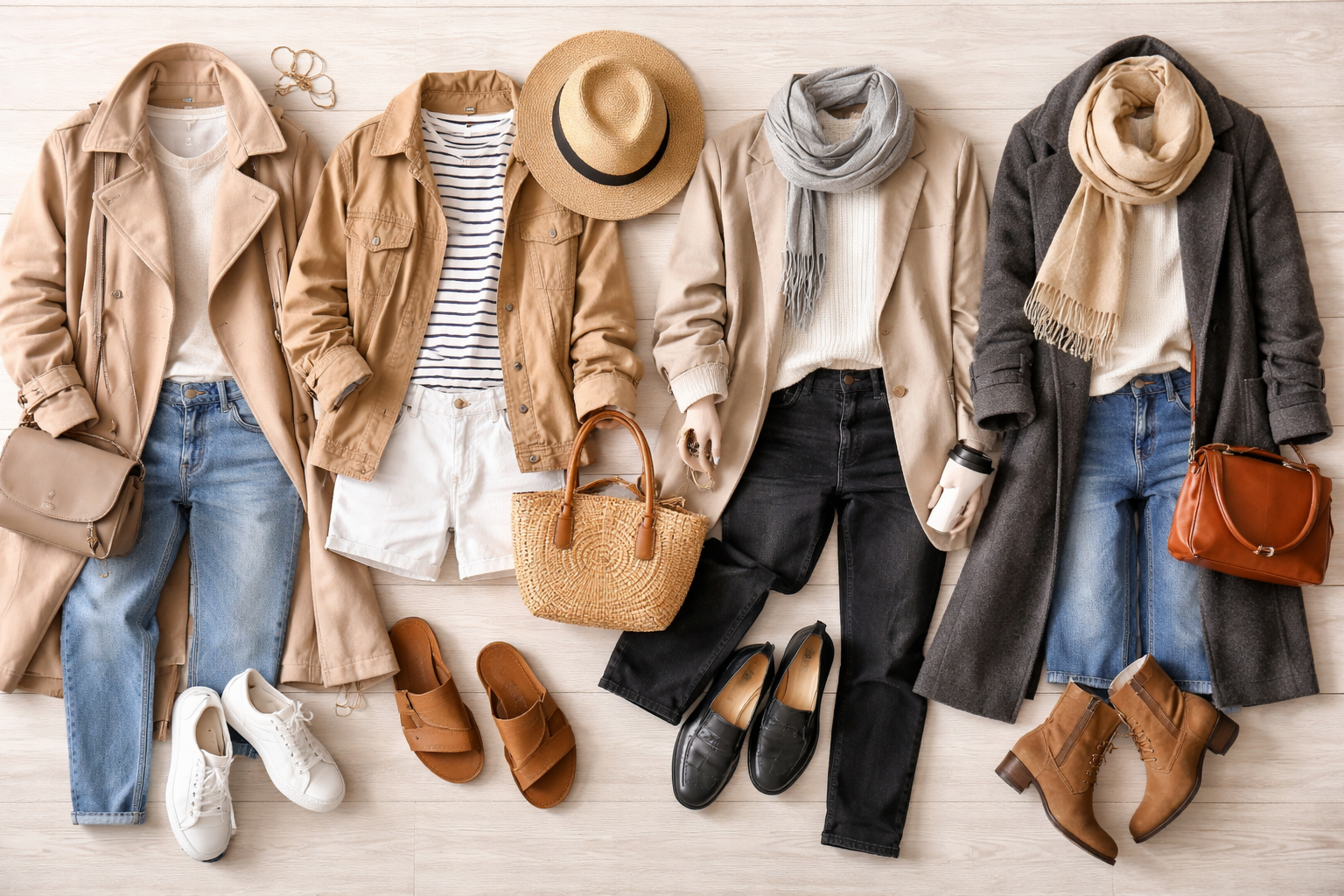
Creating a stylish outfit is not always about owning more clothes, but about knowing how to combine what you already have in a smart and intentional way. One of the most effective techniques in fashion is layering. Outfit layering allows individuals to adapt to changing temperatures, add visual interest, and express personal style without constantly buying new pieces. When done correctly, layering transforms even the simplest wardrobe into a versatile and dynamic collection of looks.
Layering is often associated with colder months, but it can be applied throughout the entire year. The key lies in understanding how to balance textures, proportions, and colors to create outfits that feel comfortable and look effortlessly put together.
Understanding the Basics of Layering
At its core, layering involves wearing multiple pieces of clothing in a way that feels cohesive rather than bulky. Each layer should serve a purpose, whether it is providing warmth, adding structure, or enhancing the overall aesthetic.
A typical layered outfit starts with a base layer, which is usually lightweight and fitted. This could be a simple T-shirt, tank top, or blouse. The next layer often adds dimension, such as a shirt, sweater, or lightweight jacket. The outer layer provides the final touch, offering both style and protection from the elements.
The goal is to ensure that each layer complements the others rather than competing for attention. This creates a balanced look that feels intentional rather than accidental.
Playing with Textures and Fabrics
One of the most powerful ways to elevate a layered outfit is by mixing different textures. Combining materials like cotton, denim, wool, leather, or knitwear adds depth and visual interest.
For example, pairing a soft knit sweater with structured denim creates contrast that feels modern and stylish. Similarly, layering a smooth fabric under a textured outer piece can make the outfit more dynamic.
Texture also plays a role in how the outfit feels. Lightweight fabrics work well for warmer seasons, while thicker materials provide warmth and structure during colder months. Understanding how fabrics interact allows for more creative and comfortable outfit combinations.
Balancing Proportions for a Flattering Look
Layering can sometimes lead to bulky or unflattering silhouettes if proportions are not considered carefully. Achieving balance is essential for maintaining a polished appearance.
A common approach is to combine fitted and loose pieces. For instance, a slim base layer can be paired with a slightly oversized sweater or jacket. This contrast helps maintain shape while still allowing for comfortable layering.
Length also matters. Longer layers underneath shorter outer pieces can create a visually interesting effect, while evenly aligned layers offer a cleaner and more classic look. Paying attention to how each piece fits and falls on the body ensures that the outfit remains flattering.
Choosing a Cohesive Color Palette
Color coordination is another important aspect of successful layering. While mixing colors can add personality, it is essential to maintain harmony within the outfit.
Neutral tones such as black, white, beige, gray, and navy provide a strong foundation for layering. These colors are easy to combine and create a timeless look. From there, subtle pops of color can be introduced through one or two pieces to add interest without overwhelming the outfit.
Monochromatic layering, where different shades of the same color are used, can also create a sophisticated and elongated silhouette. This approach is particularly effective for achieving a refined and elegant style.
Adapting Layering for Different Seasons
Layering is not limited to winter fashion. In warmer months, lighter fabrics and breathable materials can be used to create stylish layered looks without overheating.
During spring and summer, layering may involve lightweight shirts, open button-downs, or thin cardigans over simple tops. These layers can be easily removed when temperatures rise, making them practical and stylish.
In colder seasons, layering becomes more functional. Heavier pieces such as coats, scarves, and sweaters provide insulation while still allowing for creative outfit combinations. The key is to ensure that each layer adds value rather than unnecessary bulk.
Using Accessories to Complete the Look
Accessories play an important role in enhancing layered outfits. Items such as scarves, belts, hats, and bags can tie the entire look together.
A belt, for example, can define the waist and add structure to layered pieces, while a scarf introduces both texture and color. Accessories provide an opportunity to personalize an outfit without adding extra clothing layers.
When chosen thoughtfully, accessories can elevate even the simplest layered combinations into stylish and memorable looks.
Building Confidence Through Layering
Mastering the art of layering takes practice, but it offers significant rewards. It encourages creativity, helps maximize wardrobe potential, and allows individuals to adapt their style to different occasions and weather conditions.
As confidence grows, experimenting with new combinations becomes easier. Over time, layering becomes a natural part of getting dressed rather than a complicated process.
Ultimately, outfit layering is about more than just fashion. It is a practical and creative approach to dressing that empowers individuals to express themselves while staying comfortable and prepared for any situation.