

The Return of Tactile Fashion in a Screen-Dominated World
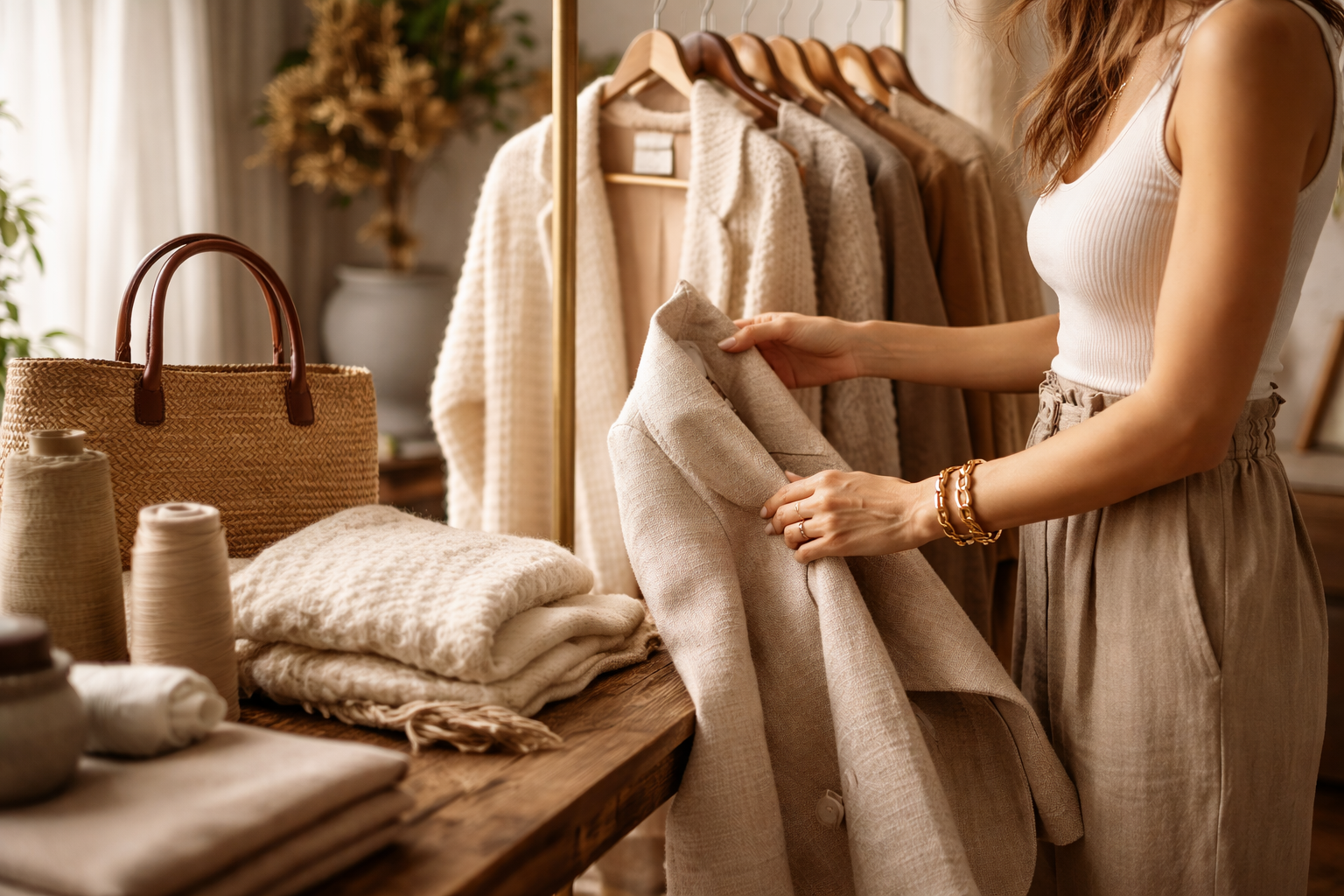
Fashion has always reflected the way people live, but in recent years the dominance of screens has quietly reshaped how clothing is perceived. Endless scrolling, fast trends, and digital aesthetics have made style feel flatter and more disposable. In response, a growing movement within fashion is turning back toward tactile experience, where fabric, construction, and sensory detail regain importance. This shift is not nostalgic, but deeply contemporary, offering balance in a world saturated with virtual impressions.
Designers are increasingly focused on how garments feel rather than how they photograph. Texture, weight, movement, and sound are becoming central to design decisions. Clothing is once again something to be touched, worn, and lived in, not just displayed on a screen for approval. This evolution reflects a broader desire for grounding and authenticity in everyday life.
Craft as a Modern Statement
Craftsmanship is no longer positioned as luxury in the traditional sense, but as a form of quiet resistance to speed. Hand-finished seams, natural dye variations, and visible construction details speak to time invested rather than trend alignment. These elements are not loud or logo-driven, yet they carry a strong visual identity rooted in intention.
What makes this movement especially modern is how craft is integrated into contemporary silhouettes. Relaxed tailoring, fluid layering, and multifunctional garments allow craftsmanship to exist without feeling precious or untouchable. The result is clothing that feels personal, adaptable, and deeply human, designed to age alongside its wearer rather than expire after a season.
The Role of Natural Materials in Emotional Style
Natural fibers are reclaiming their place not only for sustainability, but for emotional comfort. Linen that creases with movement, wool that regulates temperature, and cotton that softens over time all contribute to a sense of familiarity and ease. These materials respond to the body instead of resisting it, reinforcing a connection between clothing and physical presence.
In a digital culture where perfection is often filtered and artificial, these imperfections become desirable. Variations in texture and color remind the wearer that beauty does not require uniformity. Fashion becomes less about control and more about acceptance, aligning style with well-being rather than performance.
Dressing for Awareness, Not Attention
This return to tactile fashion also changes how people dress socially. Outfits are chosen less for immediate visual impact and more for how they support daily rhythm. Comfort, adaptability, and subtle detail replace overt statements. The focus shifts from being noticed to being present.
Such clothing encourages slower consumption and more thoughtful wardrobes. Pieces are selected for longevity and compatibility rather than novelty. Over time, this approach reshapes personal style into something quieter but more confident, where identity is expressed through consistency rather than constant reinvention.
A Future Shaped by Touch
As technology continues to accelerate, fashion’s renewed emphasis on touch, craft, and material honesty offers a necessary counterbalance. It reminds people that style is not only visual communication but a physical relationship with the world. Clothing becomes a space where modern life and human sensibility meet, proving that even in the most digital era, fashion remains deeply personal and profoundly real.