

The Quiet Power of Texture in Modern Fashion
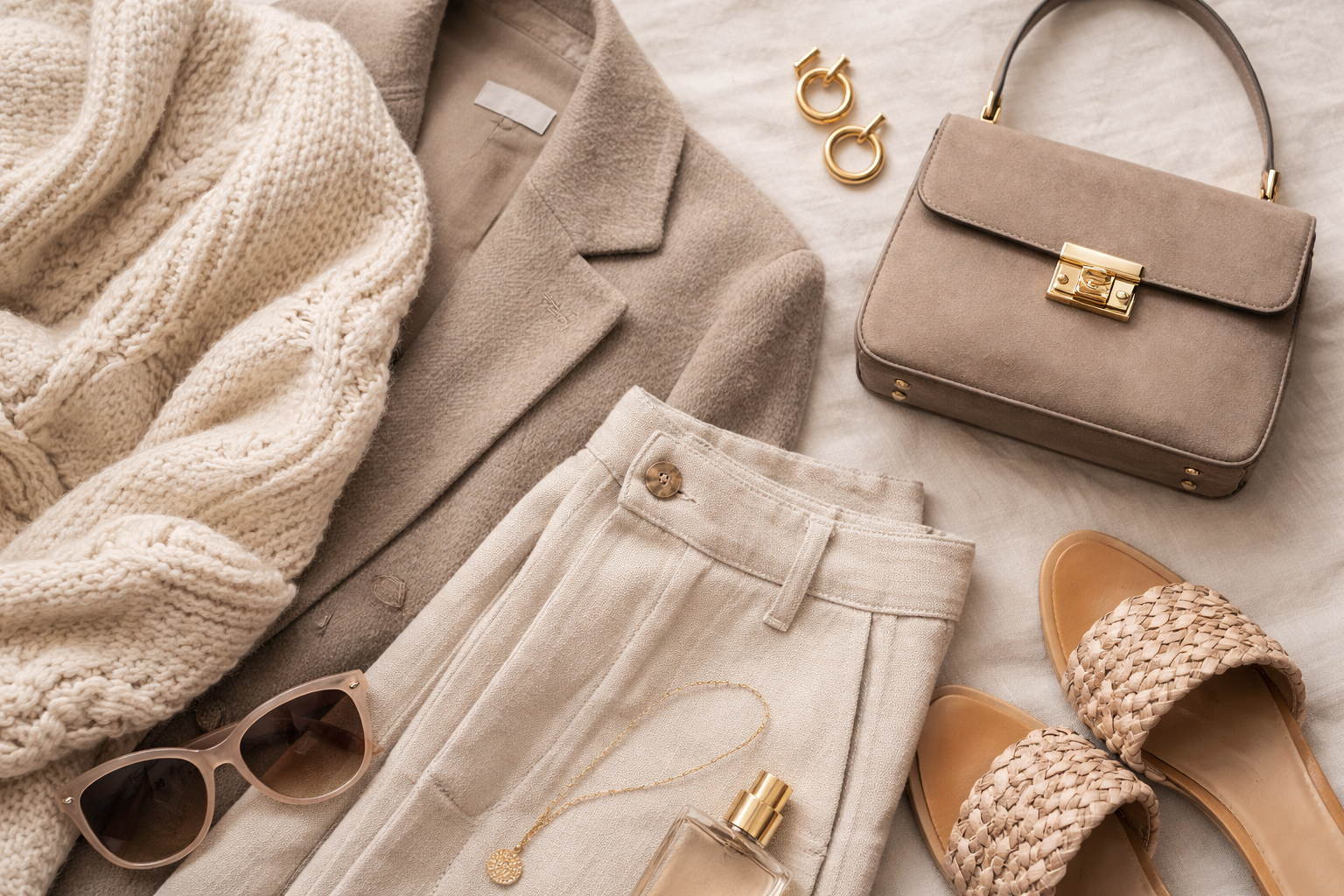
In contemporary fashion, color and silhouette often receive the most attention, while texture quietly shapes the emotional and visual impact of an outfit. Texture influences how clothing feels, how it moves, and how it communicates mood without relying on bold patterns or loud details. In recent years, designers and stylists have increasingly turned to texture as a subtle but powerful tool, especially in everyday fashion where balance and wearability matter more than theatrical effects.
Texture in fashion refers to the surface quality of a fabric and how it interacts with light, movement, and touch. Smooth silk, crisp cotton, heavy wool, soft cashmere, raw denim, and structured leather all create different impressions even when used in similar cuts or neutral colors. A simple outfit composed of minimal shapes can feel rich and intentional when multiple textures are layered thoughtfully. This approach allows fashion to remain expressive while staying understated.
Modern wardrobes often prioritize versatility, and texture plays a key role in making simple pieces feel complete. A monochrome look, for example, can appear flat if every element has the same finish. Introducing contrast through materials transforms the outfit into something more dynamic. Matte fabrics paired with subtle shine, soft knits balanced with structured tailoring, or lightweight materials layered over heavier ones add depth without visual clutter. This is particularly effective in neutral palettes where texture becomes the main source of interest.
Seasonality is another area where texture becomes essential. Warmer months favor breathable, airy materials that feel light against the skin and reflect ease. Linen, fine cotton, and soft viscose contribute to relaxed silhouettes that move naturally with the body. In colder seasons, texture provides both comfort and visual warmth. Chunky knits, brushed wool, suede, and thicker weaves not only insulate but also signal coziness and stability. The transition between seasons often relies more on changing textures than changing colors.
Texture also affects how clothing interacts with the body. Fluid fabrics drape and follow movement, creating softness and elegance, while rigid materials hold shape and project confidence. Understanding this relationship allows individuals to choose clothing that supports how they want to feel in different situations. An outfit for a long workday may benefit from structured yet forgiving fabrics, while leisurewear often emphasizes softness and flexibility. Texture, in this sense, becomes part of personal comfort as much as personal style.
In modern fashion culture, where trends cycle rapidly, texture offers longevity. While prints and statement designs can quickly feel dated, well-chosen materials tend to age more gracefully. A quality wool coat, a leather bag, or a finely knitted sweater remains relevant across years because texture connects to craftsmanship rather than trend. This aligns with the growing appreciation for mindful consumption and investment pieces that hold value beyond a single season.
Digital fashion media has also influenced how texture is perceived. High-resolution imagery and close-up styling have brought fabric details into focus, encouraging consumers to notice subtleties they may have overlooked before. As a result, texture has become a way to express refinement and taste in an era where excess is increasingly questioned. Quiet details often signal confidence more effectively than obvious statements.
Ultimately, texture shapes the experience of fashion on both a visual and sensory level. It allows clothing to communicate without explanation, adding character through feel rather than volume. By paying attention to materials and how they work together, modern fashion finds strength in restraint. Texture becomes the silent language of style, proving that the most impactful choices are often the least obvious.